
Hacking the Human: An Anti-Social Engineering Toolkit for Your Team
Secure BusinessHub Intelligence
Feb 17, 2026
1. The Common Tactics
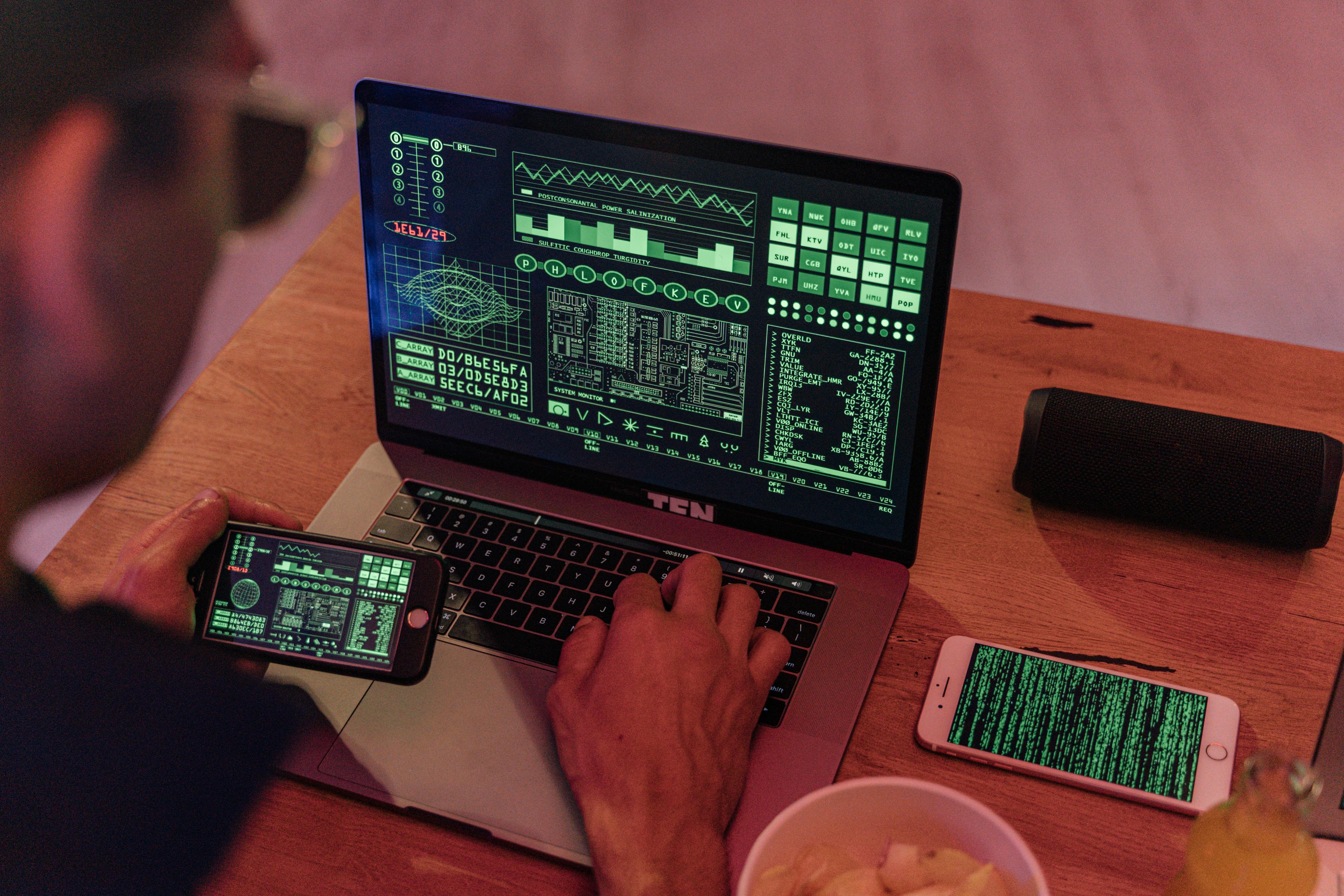
Social engineers prey on three primary human emotions: Urgency, Fear, and Helpfuless. An attacker might call pretending to be from the IT department, claiming that an "emergency update" is needed on an employee's laptop. Or they might email from the "CEO's personal account," demanding a wire transfer be made immediately to "close a secret deal."
In 2026, these tactics are reinforced by AI-generated deepfakes, making the voice or even the video of the person you trust seem perfectly authentic.
The Psychology of Targeted Attacks
Social engineers don't just guess; they research. By analyzing social media posts and professional profiles, an attacker can learn when a team member is on vacation or which project a specific department is working on. This cybersecurity SME threat is known as "Spear Phishing" or "Whaling." The goal is to create such a high level of relevance that the victim's natural skepticism is bypassed by the familiarity of the request.
2. The Vishing Defense (Voice Phishing)
If an employee receives an unexpected call asking for credentials or financial actions, the protocol is simple: Hang Up and Call Back. Use a known, trusted number from the internal directory, not the number that just called. This simple "out-of-band" verification is the single most effective defense against voice-based social engineering.

3. Spotting Cultural Red Flags
Successful cybersecurity SMEs teach their teams to look for deviations in corporate culture. Is it normal for the CEO to send a request directly to a junior developer? Does the language used in the email match the usual tone of the sender? Most social engineering attempts feel "off" if you take five seconds to analyze the context rather than the content.
4. The "Safe Word" Protocol
For high-risk actions like wire transfers or server access, establish an internal "Safe Word" or a verification phrase that is changed monthly. This acts as a manual second factor of authentication that an AI deepfake cannot possibly know. It is a low-tech solution to a high-tech problem.
The biggest ally of a social engineer is an employee who is afraid to be "rude" to a superior or an IT tech. Your culture must explicitly prioritize security over politeness. Empower your team to question any unusual request, regardless of who it claims to be from. At Secure BusinessHub, we call this "Healthy Skepticism."
Manual vs. Automated Simulation Testing
How do you know if your training is working? By testing it. Many cybersecurity SMEs now use automated phishing simulators to send fake "lure" emails to staff. While these are useful, they shouldn't replace manual tabletop exercises where teams discuss how they would handle a complex, multi-stage social engineering attack. Practical discussion often reveals more vulnerabilities than a simple click-rate statistic.