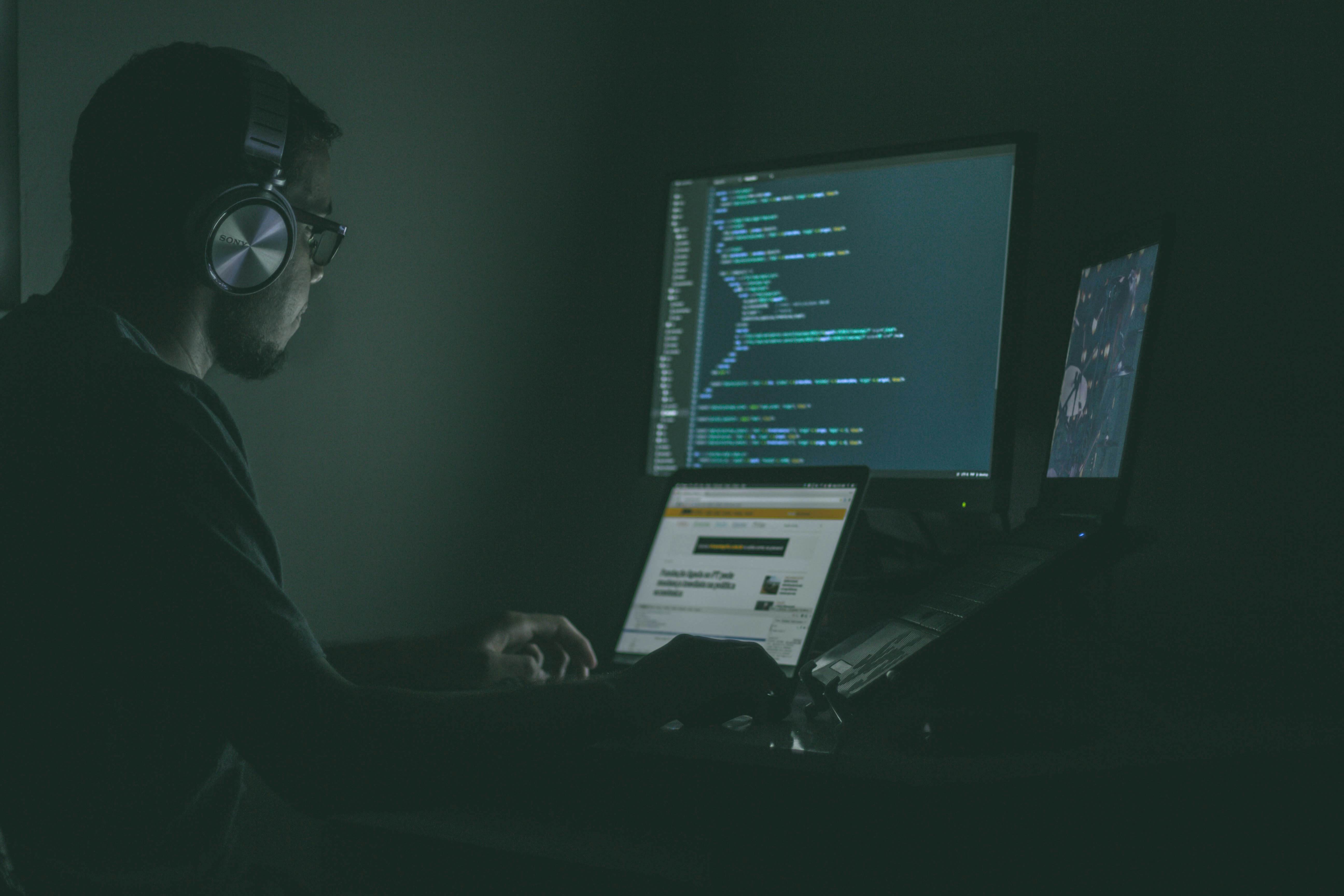
It's a cliché for a reason: the human element is the weakest link in cybersecurity. Phishing, weak passwords, and social engineering all target people, not machines.

The Psychology of Phishing
Attackers use urgency, fear, and authority to trick employees into clicking malicious links. When a "CEO" emails asking for an urgent wire transfer, most employees want to help, not verify security protocols.
The Hidden Danger of Insider Threats
Not every human risk is an accident. While most employees mean well, Malicious Insiders or disgruntled former staffers can do more damage than any external hacker. They already have the keys to the kingdom. For a cybersecurity SME, managing this risk means implementing the "Principle of Least Privilege"—ensuring employees only have access to the data they absolutely need for their job, and revoking that access the moment they leave the company.
Building a Security Culture
Don't just punish mistakes. Create an environment where employees feel safe reporting potential security incidents using a "See Something, Say Something" policy.
Training Essentials
- Spotting spoofed email addresses.
- Verifying requests for sensitive info offline.
- Using Password Managers.
Beyond the Slide Deck: Gamifying Security
Traditional security training is boring, and boring training is forgotten. In 2026, cybersecurity SMEs are turning to gamification. By using interactive phishing simulators, "Escape Room" style puzzles, and leaderboard-based rewards, you can turn security into a team-building exercise. When employees are engaged, they stop viewing security as a hurdle and start viewing themselves as part of the company's "Human Firewall."
Explore more training techniques in our Employee Training 101 guide.